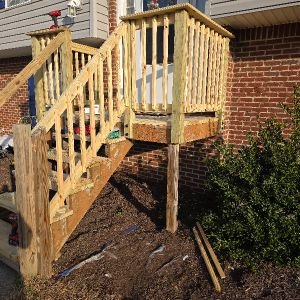
Optimal Seasons for Trim Repairs
Trim repairs are most effectively performed during specific seasonal periods to ensure optimal results and longevity. Typically, late spring and early summer provide ideal conditions due to moderate weather, which allows for proper drying and adhesion of repair materials. Avoiding extreme temperatures and high humidity is crucial for achieving durable repairs.
Performing trim repairs in spring takes advantage of milder weather, reducing the risk of moisture-related issues and ensuring proper curing.
Summer offers longer daylight hours and warmer temperatures, which can speed up repair processes but requires caution to prevent quick drying that may cause cracking.
Early fall provides cooler temperatures and less humidity, making it a suitable time for repairs before winter conditions set in.
Winter is generally not recommended due to cold temperatures, snow, and increased moisture, which can hinder proper adhesion and curing.
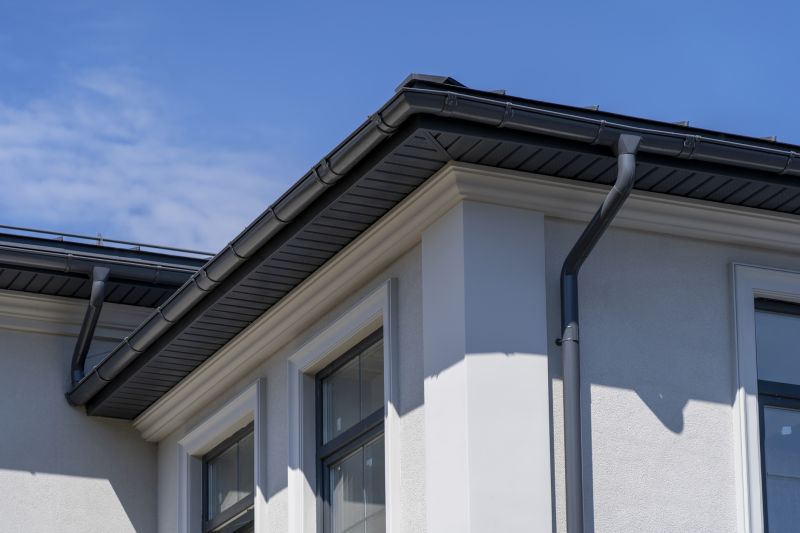
Spring weather facilitates effective trim repairs with ideal temperature and humidity levels.
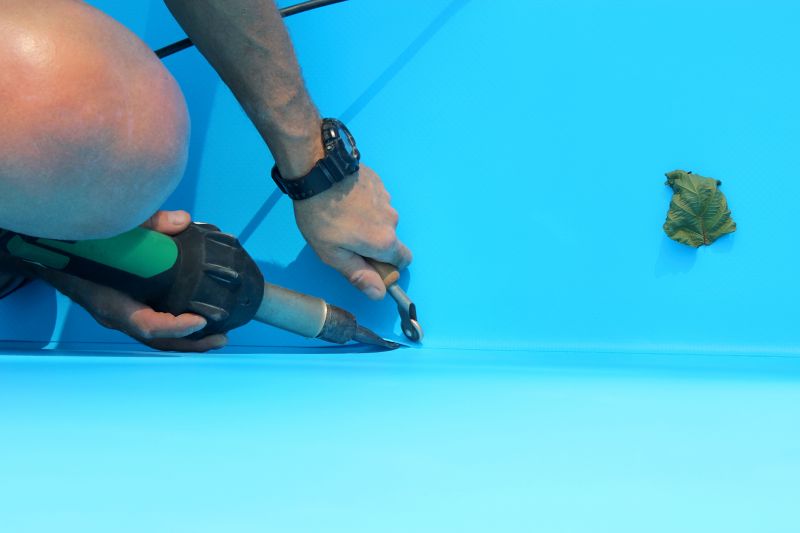
Summer offers longer days and warmth, suitable for timely repairs with proper precautions.
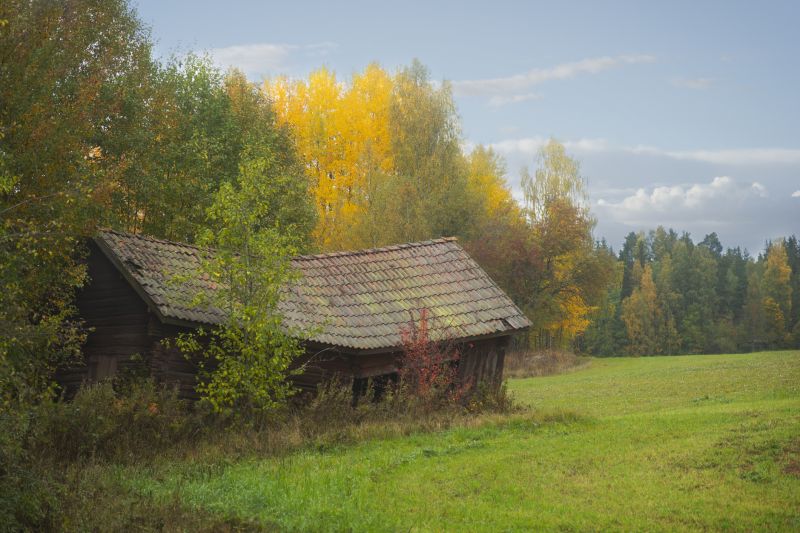
Early fall provides cooler, dry conditions favorable for trim repairs before winter.
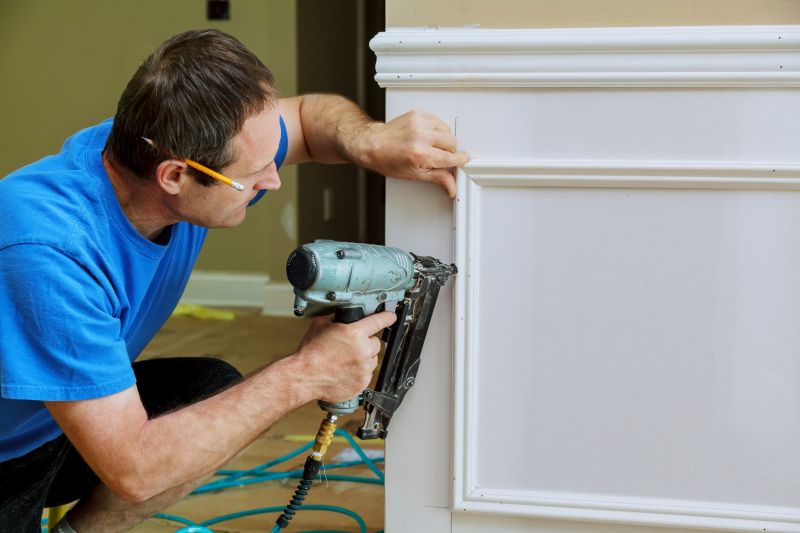
Ways to make Trim Repairs work in tight or awkward layouts.
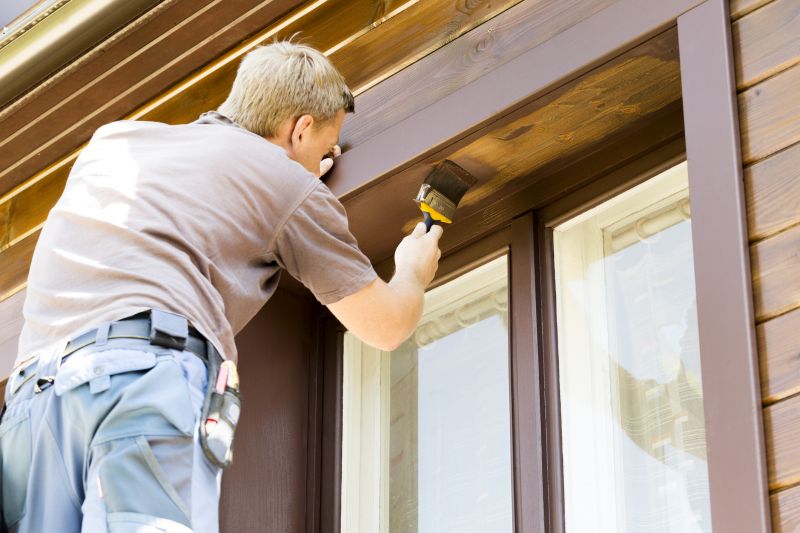
Popular materials for Trim Repairs and why they hold up over time.
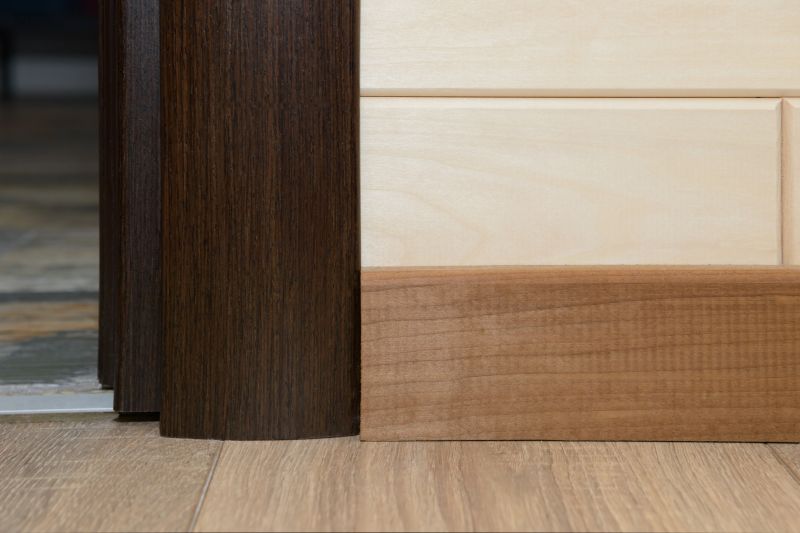
Simple add-ons that improve Trim Repairs without blowing the budget.
| Season | Recommended Conditions |
|---|---|
| Spring | Temperatures 50-85°F, low humidity, moderate weather |
| Summer | Warm temperatures, avoid extreme heat, ensure proper drying |
| Fall | Cooler temperatures, dry conditions, low humidity |
| Winter | Cold temperatures, snow, high moisture, not recommended |
Trim repairs involve restoring damaged or worn trim elements on buildings, which can include replacing rotted sections, repainting, or sealing gaps. Proper repair enhances the aesthetic appeal and protects structures from moisture infiltration and decay. Statistics show that timely maintenance can extend the lifespan of trim components by several years, reducing long-term costs and preventing extensive damage.
Effective trim repair involves assessing the extent of damage, selecting appropriate materials, and performing repairs during suitable weather conditions. Using durable paints and sealants during the optimal season ensures better adhesion and longer-lasting results. Regular inspections and maintenance are recommended to identify issues early and schedule repairs accordingly.
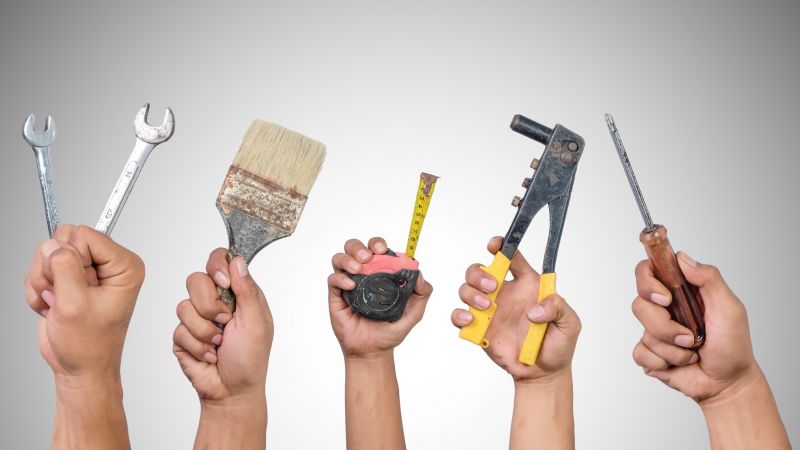
Various tools are used to restore and replace damaged trim components.
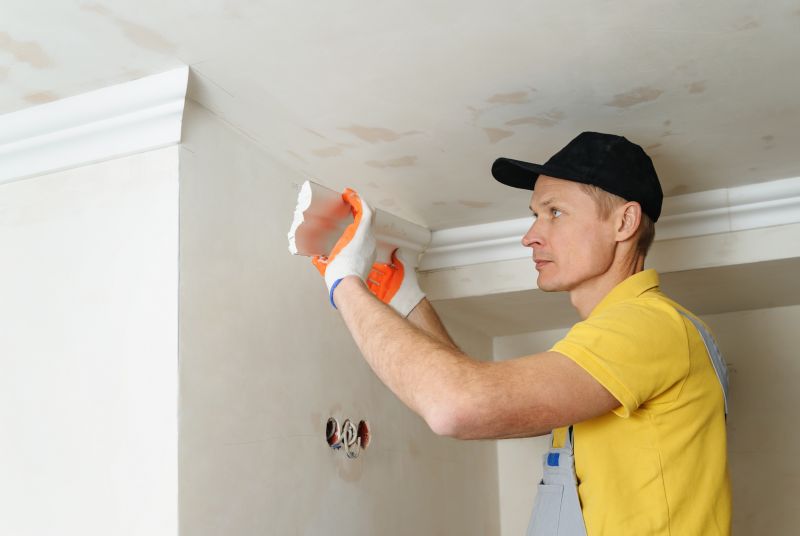
Visual examples of trim repair transformations.
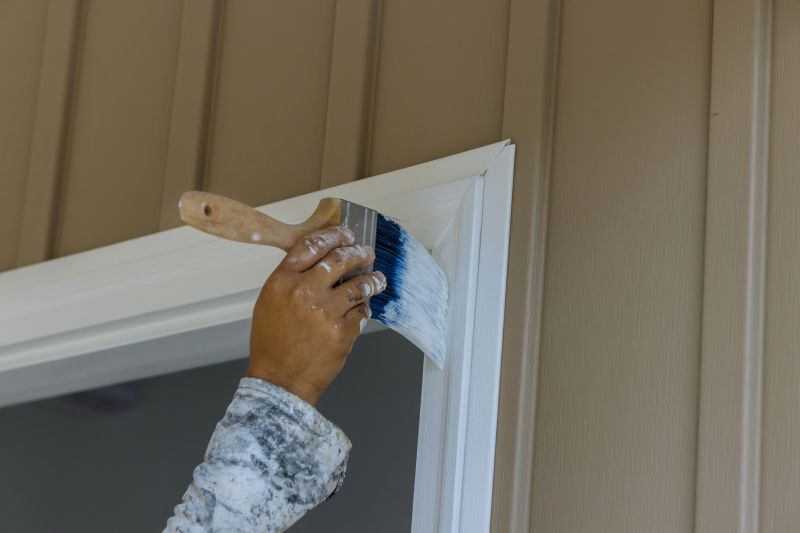
Applying paint to freshly repaired trim for protection and aesthetics.
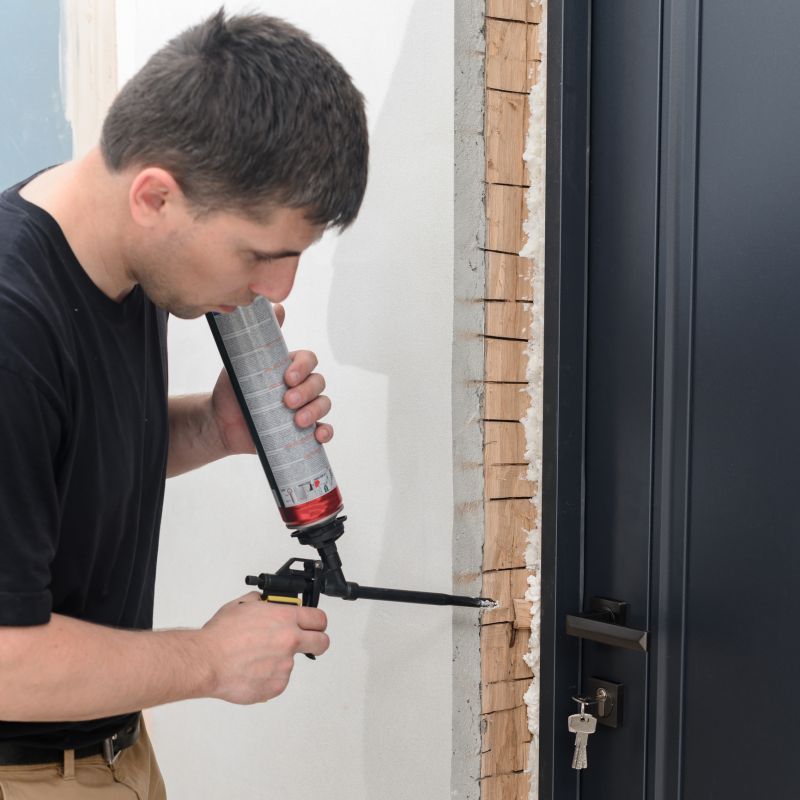
Sealing gaps to prevent moisture intrusion and improve durability.
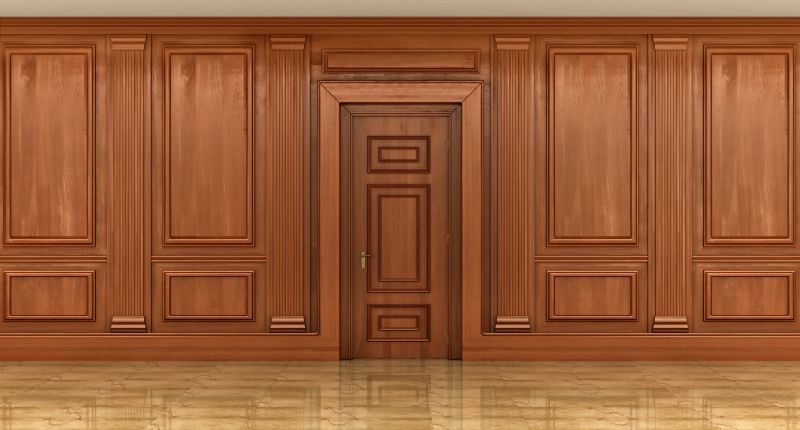
High-end options that actually feel worth it for Trim Repairs.
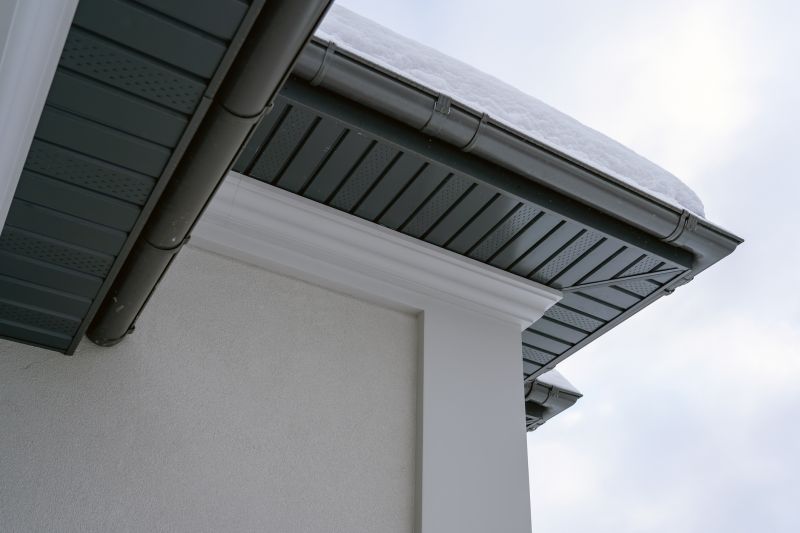
Finishes and colors that play nicely with Trim Repairs.
Interested in scheduling trim repairs? Filling out the contact form provides a convenient way to request more information or set up a consultation. Proper timing and professional execution can significantly improve the appearance and lifespan of trim elements, ensuring they remain functional and visually appealing.